

MrWebApp smart development ecosystem team process.

How MR WebApp’s Smart Development Ecosystem Is Changing the Web Industry

Stuck with slow, expensive web projects? You’re not alone. Many owners search for solutions that grow fast. But costs pile up. Tech gets complex. Results stay low. Engagement drops. Sales suffer too. At Mr WebApp, we change this. Our smart development ecosystem starts free. We build your business first. You pay only when earning. Ready to join a new era? Let’s connect in.

Why MrWebApp? We Lead the Change

Ahmad Bin Obaid founded Mr WebApp in Lahore. Our team helps startups and shops. We serve eCommerce brands too. Clients span Pakistan, UAE, UK, and USA. Our mission stands firm. Solutions must drive growth. We deliver without stress. Worried about high fees? Scared of slow launches? Here’s our answer. Start free. Grow fast. Pay later. The system runs smooth as butter. Trust us, we have strong relations with results.

Our Smart Development Ecosystem: Built to Win

Business owners face tough hurdles. Projects drag on. Budgets blow out. Users leave sites. So, our ecosystem solves this. Costs stay low. Complexity fades away. Engagement rises high. Conversions grow strong. Marketing gets power. Here’s what we include.

Our Development Process

  • Understand Your Goals
  • Plan Smart Features
  • Design Fast Layouts
  • Build Core Code
  • Test for Speed
  • Launch with Boost
  • Support & Scale

Timeline

  • First Meeting
  • Planning Phase
  • Design Sign-Off
  • Build Sprint
  • Testing Round
  • Launch Day
  • Growth Check-Ins

Tools We Use

  • WordPress
  • Shopify
  • Webflow
  • React
  • Node.js
  • Firebase
  • Custom APIs

Team Roles

  • Project Manager
  • Designer
  • Front-End Developer
  • Back-End Developer
  • SEO Expert
  • Marketing Pro

Schedules

  • Weekly Updates
  • Feedback Calls
  • Milestone Checks
  • Post-Launch Reviews

Pricing

  • Website Build: $300 to $3,000
  • eCommerce Store: $500 to $5,000
  • Custom Web App: $1,000 to $10,000
  • SEO Setup: $200 to $1,500

Offers You Can’t Ignore

Web projects feel risky. We know that. So, we give value first. Our ecosystem starts free. Your business grows next. Pay when you earn. Here’s what you get, no strings.

  • Free Project Kickstart: No payment until earnings. We cover the start.
  • Free Market Research: We study your niche. So, features fit perfectly.
  • Free Growth Plan: Custom steps boost traffic. They increase sales too.
  • Free Site Prototype: Test a live demo. It’s on us.
  • Free SEO Foundation: Your site ranks fast.
  • Free Social Media Setup: Promote with ready posts.
  • 50% Off Custom Features: Half price after earnings.
  • Free Post-Launch Check: We tweak for top speed.
  • Pay-from-Profits Model: Share earnings only if successful.

These offers remove pain. High costs disappear. Complexity gets simple. Engagement climbs up. Conversions multiply. Marketing wins big. Because we build smart, your site thrives. Success comes before payment. It’s bold and fair.

Why Our Ecosystem Changes the Industry

Searching for affordable web development? Or fast business websites? We deliver both. Tight budgets create stress. Old methods waste time. Poor sites lose users. So, here’s how we lead.

  • No Upfront Costs: Start free. Pay from profits. Ideal for small teams.
  • No Tech Hassle: We handle code. You focus on growth.
  • No Slow Launches: Sites live in weeks. Results come fast.
  • No Low Traffic: SEO builds visitors. Users stay longer.
  • No Failed Projects: Research ensures wins.

Our ecosystem drives clicks. Sales grow steady. From education to real estate, restaurants to factories, businesses scale. Check our web projects. Or use our site idea checker tool. See the power. Next, meet our team in action.

Our Team in Action

Our team works as one. Sites become fast and clean. Stress over tech vanishes. Weak results fade away. Here’s a look at us.

  • In-Article Image
    • Placeholder: Team collaborating on a web project.
    • Alt Text: MrWebApp smart development ecosystem team process.
    • Caption: Our team builds your success story.
    • Description: This image shows MrWebApp’s team working on web projects. It ensures a smooth development process.

We use WordPress for flexible sites. It powers millions. Next, Shopify runs eCommerce stores. Webflow creates visual magic. These tools make us fast. They deliver results too.

Why Choose MrWebApp?

You build a business. Sites should help, not hurt. So, we make it simple. Our smart development ecosystem looks sharp. It works fast. WordPress speeds updates. Shopify grows sales. Free growth plans fix low traffic. Users convert more. Marketing gets results. For ideas, read our blog on web success. It shares proven steps.

Because we know your pain. High costs slow progress. Complex code confuses teams. Low engagement kills leads. Poor conversions waste ads. Marketing fails without speed. We change this. Start free. Get power. Grow big.

Now, let’s answer your questions. Clarity drives trust.

FAQs: Your Questions Answered

How much does web development cost? From $300 for sites to $10,000 for apps. Start free, pay later.

How long does it take to launch? Sites go live in 2 to 12 weeks. We follow clear steps.

What tools power your ecosystem? WordPress, Shopify, Webflow, React. Node.js and Firebase too.

Do you help with traffic and sales? Yes, free SEO boosts traffic. Growth plans increase sales.

What if my project fails? No risk. We build free. You pay only if it succeeds.

These answers prove our edge. We lead the change.

Our Marketing Skills: The Growth Engine

Marketing is not an add-on. It’s the fuel. So, we bake it in. Our team runs full campaigns. We grow your reach fast.

  • SEO Mastery: Keywords rank in days. Traffic flows in.
  • PPC Precision: Ads hit the right eyes. Budgets stretch far.
  • SMM Power: Posts go viral. Followers turn into buyers.
  • Email Magic: Messages convert cold leads. Sales follow.
  • Analytics Edge: Data shows what works. We double down.

Because great sites need great reach. We deliver both.

Marketing Skills in Action

We don’t just build. We promote. Every project gets a launch plan. Here’s how it works.

  • In-Article Image 2
    • Placeholder: Team analyzing marketing dashboard.
    • Alt Text: MrWebApp marketing skills in smart development ecosystem.
    • Caption: Our marketing turns visitors into customers.
    • Description: This image shows our team using data to grow your business. It proves marketing is part of every project.

We use Google Ads for fast clicks. Meta Ads reach social users. Mailchimp powers email flows. These tools drive leads. They close sales too.

Ready to Change Your Business?

The web industry needs new rules. We set them. Our smart development ecosystem starts free. We grow your traffic and sales. You pay only when earning. Your site can launch next month. It will drive leads. It will boost profits.

Join the change today! Visit https://mrwebapp.com. Or WhatsApp us at +92 300 7118710. Let’s build your future, bhai.
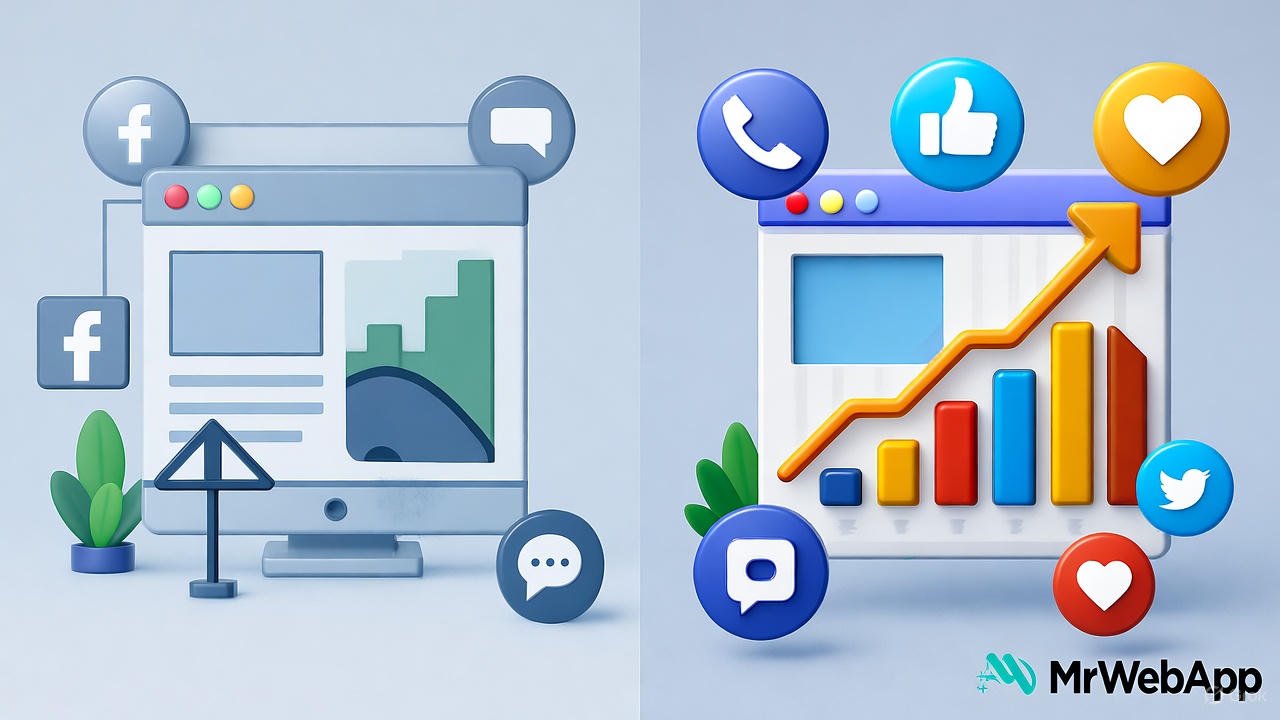
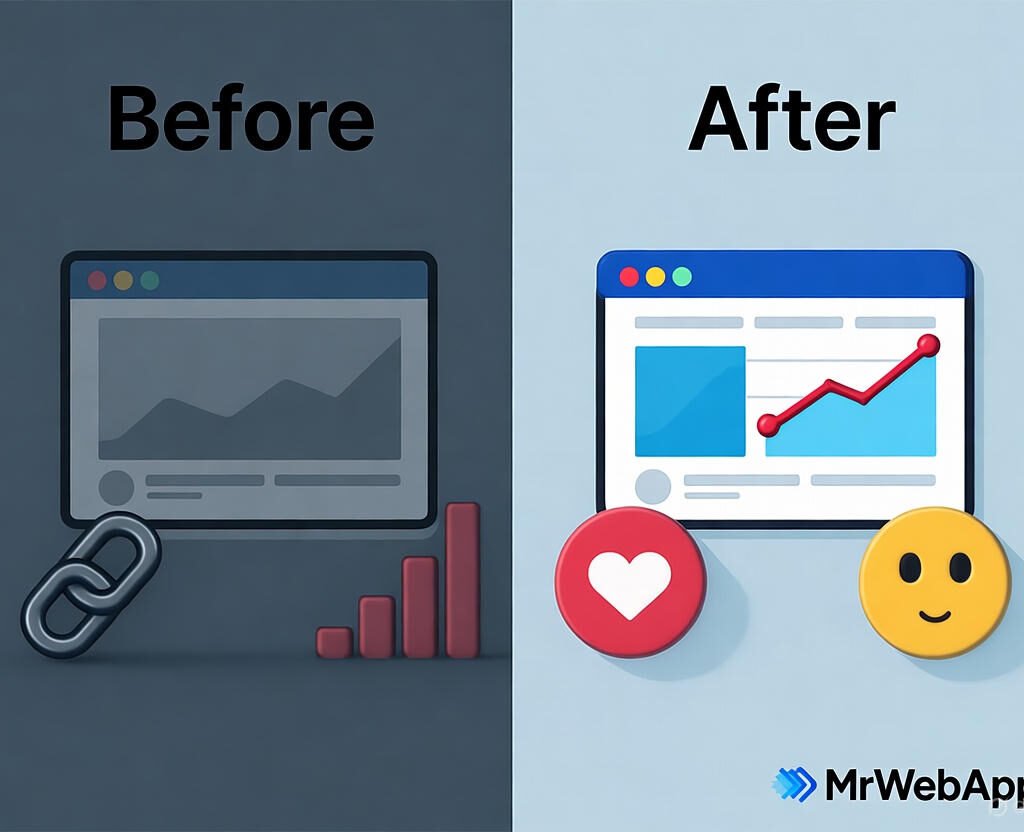
Poor Online Visibility before and after improvement

Poor Online Visibility? 5 Quick Fixes That Actually Work in 2025

Feeling invisible online? Many small businesses struggle to stand out in today’s crowded digital space. By October 2025, competition has intensified, and outdated strategies no longer cut it. At Mr WebApp, we’ve seen this firsthand and crafted solutions that deliver. This article gives you five easy fixes for Poor Online Visibility 5 Quick Fixes 2025 quickly. Let’s get started.

Based in Lahore, Mr WebApp, helps businesses thrive online. Our team focuses on practical strategies and insights. So, whether you run a shop or offer services, these tips fit your needs.

Optimize Your Website for Poor Online Visibility

Speed matters. A slow site pushes visitors away. First, check loading times with tools like Google PageSpeed. Then compress images and use a content delivery network.

Mobile use dominates in 2025. Ensure your site looks great on phones. This tweak boosts rankings and keeps users engaged. Visit mrwebapp.com/services for more web tips.

Do Local SEO to Fix Poor Online Visibility

Local searches give traffic. Claim your Google Business Profile today. Add your address, hours, and photos. Next, encourage customers to leave reviews.

Consistency helps. List your business on local directories. This step puts you on the map. Check Wikipedia for SEO basics.

Boost Content with Poor Online Visibility

Fresh content attracts visitors. Post blogs or videos weekly. Focus on topics your audience cares about. Then share them on social media.

Keywords matter too. Use tools like Ahrefs to find terms. This draws search engines to your site. Explore mrwebapp.com/blog for ideas.

Use Social Media Smartly for Poor Online Visibility

Social platforms amplify reach. Pick two channels, like Instagram or LinkedIn. Post regularly with engaging visuals. Then respond to comments fast.

Ads work well in 2025. Try a small budget on Facebook Ads. This targets your audience effectively. See HubSpot for social tips.

Backlinks build authority. Reach out to local blogs for guest posts. Offer value, not just links. Then track results with Google Search Console.

Image Placeholder

Poor Online Visibility before and after transformation
  • Alt Text: Poor Online Visibility 5 Quick Fixes 2025 graphic
  • Caption: Boost visibility with 5 quick fixes in 2025
  • Description: This image shows a graphic for Poor Online Visibility 5 Quick Fixes 2025. Highlighting strategies to improve online presence.

Measure and Adjust Your Poor Online Visibility

Track progress. Use Google Analytics to see traffic. Check which fixes work best. Then adjust your efforts accordingly.

Stay current. Trends shift fast in 2025. So, test new tools monthly. This keeps you ahead. See Shopify for analytics advice.

Real Success Stories with Poor Online Visibility

A cafe doubled visits. They optimized their site and claimed their profile. Customers found them easily. Growth followed.

A freelancer gained clients. Fresh blogs and backlinks did the trick. This shows these fixes work. Real results inspire.

FAQs

Why is my online visibility so low? It might be a slow site or weak SEO. Try our fixes to see changes.

How fast do these fixes work? Some show results in weeks. Others, like backlinks, take a month.

Do I need tech skills for this? No, our steps are simple. We guide you free.

Can small businesses use these? Yes, they’re designed for small teams like yours.

What if I need more help? Contact us. We offer free support anytime.

Take Action Today with MrWebApp

Ready to shine online? Visit mrwebapp.com now. Let’s boost your visibility together. Start with one fix today!

Custom website development by MrWebApp interface

Custom Website Development by MrWebApp: Build Your Dream Site

Your business needs a website that shines. A slow or generic site can hurt sales. For example, 88% of visitors leave poorly designed websites. That’s why custom website development by MrWebApp is the answer. We build fast, unique sites to grow your business.

Based in Lahore, MrWebApp has created over 100 custom websites. We serve clients in Pakistan, UAE, UK, and USA. Our team helps restaurants, startups, and eCommerce brands succeed online. Ready to boost your presence? Let’s see how custom website development transforms your business in 2025!

Why Choose Custom Website Development?

A custom website fits your business perfectly. Unlike templates, it shows your brand’s style. For instance, custom sites load fast and rank high on Google. In 2025, with mobile use rising, a unique site gives you an edge.

Templates lack flexibility for complex needs. They struggle with eCommerce or booking features. Our custom website development makes your site work well. It suits industries like real estate or healthcare.

Benefits of Custom Website Development by MrWebApp

Our custom website development delivers results. Here’s why businesses trust us in 2025.

1. Unique Designs with Custom Web Solutions

Your brand deserves a standout website. We create designs that match your style. For example, restaurants need menu-focused sites. Startups want sleek landing pages. We use WordPress or Webflow for stunning results.

  • Why It Helps: Unique designs build trust and keep visitors engaged.
  • How We Do It: We design mockups in Figma for your approval.
  • Pro Tip: Use your brand colors for a unified look.

Explore our UI/UX design services for unique designs.

2. SEO-Optimized Custom Web Development

Your site needs to be found online. Our custom websites are SEO-ready. For example, we optimize speed and keywords like “custom website development.” This brings more visitors in 2025.

  • Why It Helps: Higher rankings drive more leads and sales.
  • How We Do It: We use clean code and Yoast SEO.
  • Pro Tip: Add fresh content to stay on Google’s top pages.

Check Yoast’s guide or visit our SEO services.

3. Fast and Mobile-Ready Websites

Speed is key in 2025. A slow site loses 53% of mobile visitors. Our custom websites are fast and mobile-friendly. We optimize images and use caching for smooth performance.

  • Why It Helps: Fast sites keep visitors and rank better.
  • How We Do It: We use lightweight code and WP Rocket.
  • Pro Tip: Test your site with Google’s PageSpeed Insights.

4. Scalable Features for Growth

Your website should grow with you. For example, we add eCommerce or booking systems. Our custom sites adapt to your needs, whether you’re in retail or education.

  • Why It Helps: Scalable sites support your business growth.
  • How We Do It: We build with WordPress or Shopify for flexibility.
  • Pro Tip: Plan features like payment gateways early.

See our eCommerce services for scalable solutions.

Our Custom Website Development Process

At MrWebApp, we simplify custom website development. Our Lahore team has built over 100 websites globally. Here’s our process:

  • Discovery: We learn your goals and audience needs. For example, healthcare sites need appointment tools. eCommerce stores need product pages.
  • Design: We create Figma mockups for your approval.
  • Development: We build with clean code using WordPress or Shopify.
  • Testing: We check speed, mobile compatibility, and SEO.
  • Support: We offer updates to keep your site running.

For instance, we built a site for a Lahore restaurant. It boosted orders by 40%. A UAE startup gained 25% more leads with our design. Want results? Contact https://mrwebapp.com or WhatsApp +92 300 7118710.

Custom website development by MrWebApp performance stats
See how MrWebApp’s custom websites boost results

Why 2025 Needs Custom Websites

The digital world moves fast. In 2025, trends like AI and voice search shape websites. For example, 60% of searches are mobile. Responsive design is a must. Our custom websites are ready for these trends.

Moreover, Google favors fast, unique sites. Our SEO optimization helps you rank higher. Additionally, Web3 features like blockchain payments are growing. We can add these for modern businesses. Learn more at HubSpot’s blog.

Busting Myths About Custom Website Development

Some businesses avoid custom websites due to myths. Let’s clear them up.

  • Myth 1: Custom websites are too expensive. Truth: Our solutions start at PKR 50,000 with high ROI.
  • Myth 2: Templates are just as good. Truth: Templates limit SEO and flexibility. Custom sites are unique.
  • Myth 3: It takes too long. Truth: We deliver in 2–4 weeks, based on complexity.
  • Myth 4: Maintenance is hard. Truth: We provide ongoing support for your site.

For example, a real estate client saw 30% more traffic with our custom site. Check WordPress.org for platform details.

Who Needs Custom Website Development?

Our services fit many industries. For instance:

  • Restaurants: Add menus and booking systems.
  • eCommerce: Build stores with Shopify or WooCommerce.
  • Startups: Create landing pages for leads.
  • Real Estate: Showcase properties with fast sites.
  • Education: Develop portals for courses.

A healthcare client tripled bookings with our custom design. Your business can grow too!

FAQs About Custom Website Development by MrWebApp

1. What is custom website development? It’s building a unique website to match your brand and goals.

2. How long does a custom website take? We deliver in 2–4 weeks, based on your needs.

3. Are custom websites SEO-friendly? Yes! Our sites are optimized for speed and keywords.

4. Can small businesses afford custom sites? Yes, our solutions start at PKR 50,000 for small budgets.

5. Do you support sites after launch? Yes, we offer maintenance to keep your site secure.

Start Your Custom Website with MrWebApp

Our custom website development gives you a fast site. It’s SEO-friendly and boosts sales. MrWebApp’s Lahore team is ready to bring your vision to life in 2025.

Ready to grow? Visit https://mrwebapp.com or WhatsApp +92 300 7118710 now. Let’s build your dream site!

shopify-speed

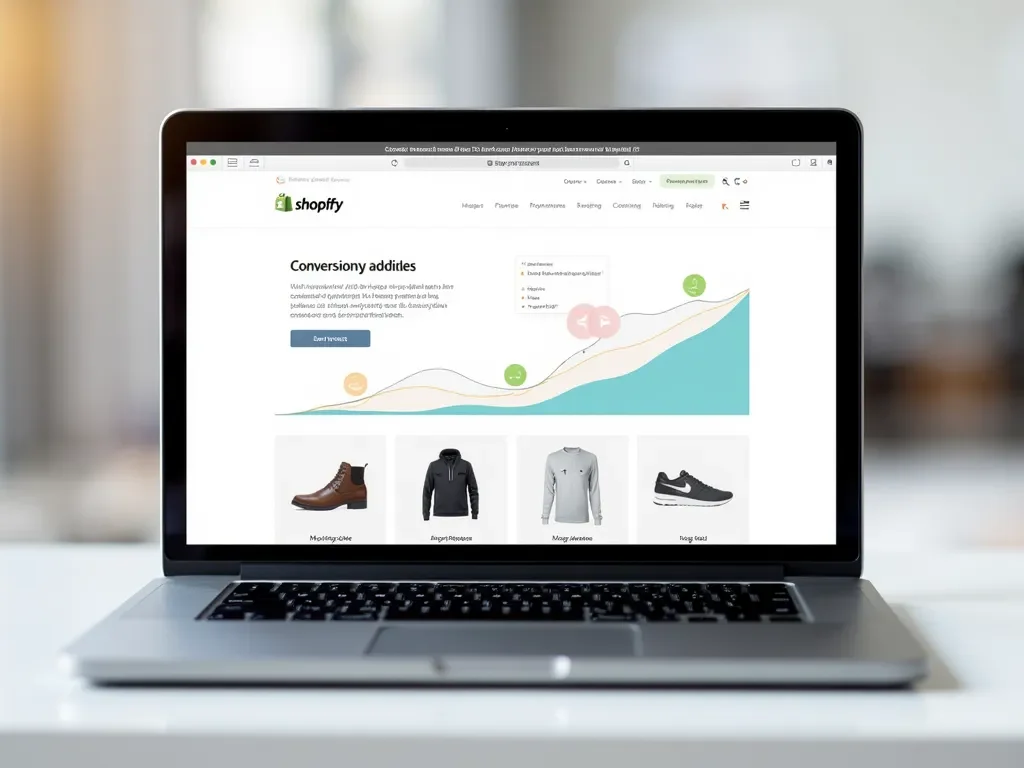
Why Shopify Speed Optimization Isn’t Enough — and What to Focus on Instead

In 2025, Shopify store owners still chase faster load times — but is speed optimization enough? While website speed is important, many stores fail to convert visitors because they ignore other essential elements like user experience (UX), mobile design, SEO, and trust signals. This article explains why you need a complete growth strategy beyond just improving Shopify speed.


⚡ The Truth About Shopify Speed Optimization

Yes, a fast website matters. No one likes waiting more than two seconds for a page to load. Tools like Google PageSpeed Insights or GTmetrix highlight how speed affects user engagement.

But speed is just one part of a bigger picture. You could have a lightning-fast website that still doesn’t convert — because of poor layout, weak product images, or confusing checkout flows.


🧠 What Actually Makes a Shopify Store Successful

Success on Shopify depends on how well your store connects with your customers. After speed optimization, you should focus on these core areas:

1. User Experience (UX)

A smooth experience keeps visitors longer. Use clear product pages, easy navigation, and attractive visuals.
👉 Example: Add smart filters, sticky carts, and clear call-to-action buttons to make browsing easy.

2. Mobile Optimization

More than 70% of Shopify traffic comes from smartphones. Even if your desktop site is fast, a laggy mobile layout will hurt sales. Test on both devices to ensure full responsiveness.

3. SEO & Content Optimization

Speed doesn’t bring traffic — search visibility does. Use optimized meta titles, product descriptions, and internal links. Make sure each page targets specific keywords like Shopify website design services or Shopify SEO in 2025.

4. Visual Appeal & Branding

Your design should match your brand personality. Shoppers trust stores that look professional and consistent. Include high-quality product images, review badges, and brand colors that build recognition.

5. Conversion Rate Optimization (CRO)

Speed doesn’t guarantee conversions. You must guide users to buy. Add features like product previews, limited-time offers, and trust badges to push sales.


💬 Real Example: Why Speed Alone Failed

Imagine a clothing store that improved its load time from 4.5s to 1.2s — yet sales didn’t increase. Why?
Because users left at checkout due to missing size guides and no “Try Before You Buy” option.
Lesson: Speed got users in, but a poor buying experience pushed them out.


🔍 What to Focus on After Speed Optimization

1. Shopify SEO

  • Optimize meta titles and descriptions for every page.
  • Use structured data and schema for rich results.
  • Add internal links to related products or guides.

Internal Link Example:

2. Analytics & User Behavior

Use tools like Hotjar and Microsoft Clarity to track clicks, scrolls, and drop-off points. These insights reveal what actually needs fixing — not just what’s slow.

3. Trust & Security

Add SSL, clean checkout flows, and visible refund policies. Shoppers only buy from stores that feel safe.

4. Content Marketing

Publish articles that educate buyers — such as “Shopify Design Trends 2025” or “Best Free Tools for Online Stores”.
Fresh content helps rank your Shopify site higher in Google.


🌐 External Resources


❓ FAQs

1. Is Shopify speed optimization still important in 2025?
Yes — it’s essential, but only as part of a complete optimization plan that includes UX and SEO.

2. How can I check if my Shopify site loads fast?
Use free tools like Google PageSpeed Insights or GTmetrix to analyze performance.

3. What’s the best way to improve conversions?
Enhance design, simplify checkout, and add trust badges.

4. Does SEO affect Shopify store speed?
Indirectly — better SEO structures can help browsers load pages efficiently.

5. Can MrWebApp help with Shopify optimization?
Yes, MrWebApp offers full Shopify design, SEO, and performance optimization services.


💼 Conclusion

Shopify speed optimization is a great first step — but real success comes from improving user experience, branding, SEO, and conversion strategy. A fast store gets clicks, but a smart store makes sales.

👉 Want a Shopify website that actually grows your business?
Visit mrwebapp.com to start your project today.

eCommerce shopper using a smart preview tool to reduce product returns in 2025

Why Product Returns Are So High in 2025 — and the Smart Preview Tool That Prevents Them

Online shopping has become faster, easier, and more convenient than ever before — but one problem still frustrates both sellers and buyers: high product return rates.
In 2025, product returns have reached record levels, cutting into profits and hurting customer trust. The question is: why are returns increasing, and how can smart preview tools stop them?


What’s Really Driving Product Returns in 2025

Even with advanced product descriptions and professional photography, shoppers often receive something that feels different from what they expected. Some of the biggest causes include:

  1. Inaccurate Product Images: Many customers realize the color, texture, or size is different from what they saw online.
  2. Fit and Size Problems: Especially in fashion and furniture, it’s hard to imagine true proportions.
  3. Poor Product Details: Missing information like material quality, real-use examples, or customer context.
  4. Impulse Purchases: Discounts encourage buyers to act fast without checking full details.
  5. Complicated Return Policies: When customers can easily return items, they buy more — and send more back.

A report by Shopify shows that around 20–30% of all eCommerce orders are returned, compared to just 9% in physical stores.


The Rising Cost of Returns

For online stores, every returned order means:

  • Extra shipping costs
  • Restocking labor and packaging waste
  • Refund delays that reduce customer loyalty

Even big brands like Amazon and Walmart are redesigning their return systems to minimize environmental and financial impact.

In 2025, businesses are looking for smarter ways to reduce returns — and technology is leading the way.


The Smart Preview Tool: A Modern Fix

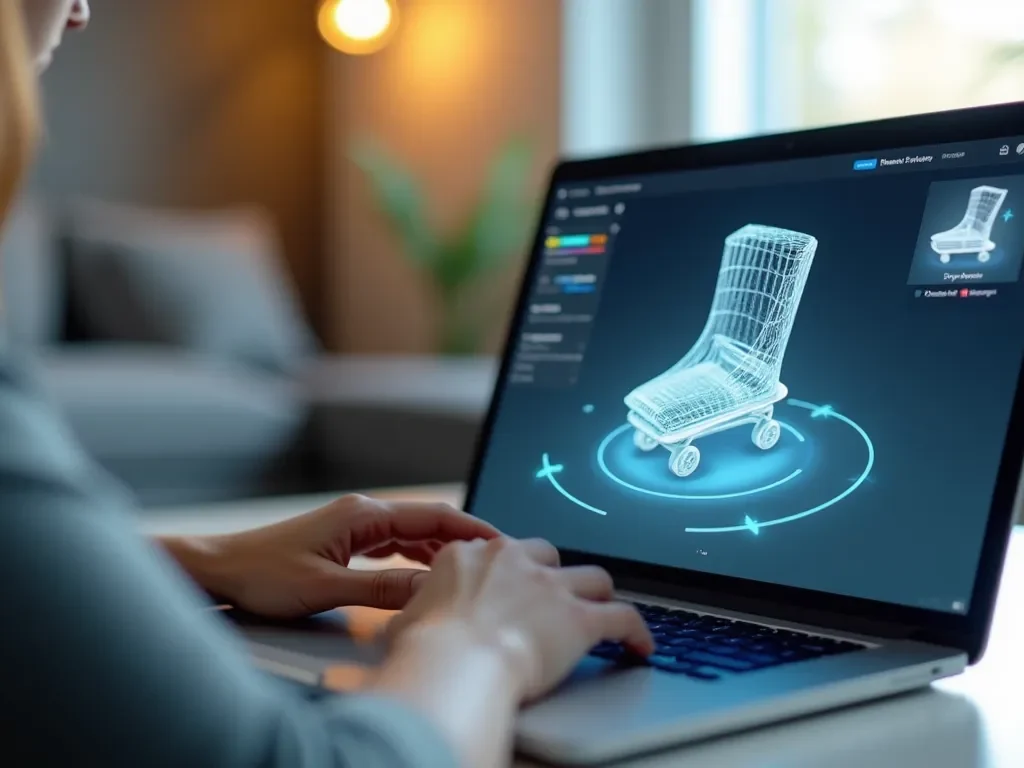
A Smart Preview Tool is a digital feature that lets customers interact visually with products before buying.
It bridges the gap between online and in-person shopping by showing real-life product details through 3D previews, AR (augmented reality), or virtual placement.

💡 How It Works

  • 3D Product Models: Let customers rotate, zoom, and view every angle.
  • AR View: Place the item in a real room using a smartphone camera (e.g., furniture or décor).
  • Real-Use Simulation: Preview items on a model or through upload tools (for fashion and eyewear).

This gives buyers a true sense of fit, proportion, and style before clicking “Buy Now.”


Why Smart Preview Tools Reduce Returns

  1. Realistic Expectations
    Customers know exactly what they’ll receive, reducing surprises when the product arrives.
  2. Higher Buyer Confidence
    Visual previews help buyers feel secure in their choice, leading to fewer “just-in-case” purchases.
  3. Improved Product Understanding
    When users interact with a product online, they absorb more information — leading to better buying decisions.
  4. Less Return Fraud
    When buyers understand what they’re getting, accidental or false returns drop significantly.

Example: Smart Preview in Action

A home décor store using a Smart Preview tool noticed a 40% drop in returns within three months. Customers could see how lamps, sofas, or shelves looked inside their rooms before ordering.

Similarly, fashion stores offering a virtual try-on feature reduced size-related returns by over 50%.

This isn’t just about visuals — it’s about building trust.


Internal and External Resources


The Future of Smarter Shopping

As online markets expand, visual trust is becoming the new currency of eCommerce.
Retailers who invest in visual try-on and smart preview tools not only reduce return rates but also increase conversions and repeat customers.

In 2025, success depends on clarity — when customers see clearly, they buy confidently.


FAQs

1. What is a Smart Preview Tool?
It’s a digital system that lets customers interact with or visualize a product before buying it.

2. How do smart previews reduce returns?
They help customers understand product size, color, and features more clearly before purchase.

3. Are smart preview tools expensive to set up?
Costs vary, but most businesses see quick returns through higher conversions and fewer refunds.

4. Can I add a smart preview tool to my Shopify or WordPress site?
Yes, many plugins and integrations make it simple to add visual previews.

5. Does this work for all products?
Almost! It’s ideal for fashion, furniture, electronics, and any product where visuals matter.


Final Thoughts

High return rates don’t have to be part of eCommerce.
With the help of smart preview tools, businesses can improve customer satisfaction, save costs, and create a shopping experience people trust.

👉 Explore more solutions at MrWebApp.com — your partner in smarter, faster digital growth.

A woman trying sunglasses online using a visual try-on tool on her phone

Why 90% of eCommerce Visitors Don’t Buy — and the Visual Try-On Solution That Fixes It

Running an online store isn’t just about getting traffic — it’s about turning visitors into buyers. But here’s the truth: around 90% of online shoppers leave without buying anything.

Why? Because most websites still miss one key thing — the feeling of trying before buying.
That’s where visual try-on technology comes in and changes everything.


1. The Main Reason People Don’t Buy Online

When people shop in physical stores, they touch, hold, and try products before paying.
Online, that trust is missing.

Most visitors hesitate because they can’t be sure:

  • Will it look good on me?
  • Is the color right?
  • What if it doesn’t fit?

Without confidence, they leave — even if they liked the product.


2. The Psychology Behind Online Shopping Doubt

Humans buy with emotions first and logic later.
When shoppers can’t see how something fits their life, they delay the decision.

That’s why many people add items to their cart… and then abandon it.

Simple truth: when the product feels real, sales happen faster.


3. What Is a Visual Try-On Solution?

A visual try-on solution uses your phone or webcam to show how a product would look on you — just like trying clothes in a fitting room, but online.

You can test:

  • Sunglasses on your face
  • Lipstick shades on your skin tone
  • Shoes or watches on your hands or feet
  • Even home décor in your room with AR (Augmented Reality)

This feature builds confidence instantly. People don’t have to imagine — they can see it.


4. How It Boosts Sales and Trust

Adding visual try-on tools does more than make your site look cool — it makes buyers trust your products.

Here’s what stores have noticed:

  • Conversion rates grow by 30–40% after adding try-on features
  • Return rates drop because customers choose more carefully
  • Visitors stay longer on the website

When people can see the product on themselves, the question changes from “Should I buy this?” to “When should I buy this?”


5. Example: Fashion and Beauty Brands Using It

Top brands already use visual try-ons:

  • L’Oréal lets customers test makeup online before ordering
  • Warby Parker allows users to try glasses using their phone camera
  • Nike uses AR fitting for shoes

These brands have one thing in common — they make shopping feel personal.


6. How Small eCommerce Stores Can Use It Too

You don’t need a big budget to start.
Platforms like Shopify, Wix, and WordPress now offer visual try-on plugins and apps.

With these, you can add:

  • AR product previews
  • Face or body mapping for fashion
  • Room preview tools for furniture or décor

🔗 Internal Links:

External Tools:

A woman trying sunglasses online using a visual try-on tool on her phone

7. Benefits for Store Owners

Here’s how visual try-on tech helps your eCommerce store:
✅ Fewer returns — customers pick what truly fits
✅ Higher sales — people buy faster with confidence
✅ Longer engagement — shoppers spend more time exploring
✅ Brand trust — customers feel connected to your store


8. Future of Online Shopping — Try Before You Buy

By 2026, most successful online stores will include visual try-on or AR tools as standard.
It’s not just a trend — it’s becoming a must.

People expect interactive shopping. The sooner your website offers it, the faster you’ll build trust and grow sales.


💡 Quick Tips to Add Visual Try-On to Your Store

  1. Choose a plugin that fits your platform (Shopify, Wix, or WordPress).
  2. Start with top-selling products — like sunglasses, watches, or makeup.
  3. Add clean, bright product photos with clear angles.
  4. Optimize every try-on image with alt text and keywords for SEO.
  5. Test the feature on mobile — most buyers shop from phones.

🧠 FAQs

1. Does visual try-on really increase sales?
Yes, brands using visual try-on report up to 40% more conversions.

2. Is it hard to set up?
No, most eCommerce platforms offer plugins or ready apps — you don’t need coding.

3. Can small stores afford it?
Yes, affordable options are available for every platform.

4. Does it work on mobile?
Absolutely. In fact, most try-ons are designed for mobile users.


🔚 Conclusion

Most eCommerce stores lose buyers because people can’t see how products look on them.
Adding a visual try-on solution builds instant trust, reduces returns, and helps you sell faster.

If you want to upgrade your online store with modern tools that attract real buyers, explore:
👉 Free Online eCommerce Tools by MrWebApp

Start turning visitors into happy customers — one try-on at a time

IT professionals collaborating on AI and cybersecurity projects for 2026

Future of IT Jobs 2026: Which Roles Will Be in High Demand?

Technology is evolving faster than ever — and so is the job market. As we move toward 2026, new technologies like AI, blockchain, and quantum computing are reshaping what employers need. The future of IT jobs 2026 looks promising for skilled professionals who can adapt, innovate, and work remotely across global teams.

Whether you’re starting your tech career or upgrading your skills, here’s a complete look at the roles that will define the IT landscape in the next few years.


1. Artificial Intelligence (AI) and Machine Learning Engineers

AI continues to revolutionize every industry — from healthcare to finance and education. By 2026, AI engineers and machine learning specialists will be among the most in-demand professionals.

Companies need experts who can build smart algorithms, train AI models, and develop predictive systems that make data-driven decisions.

Common tools: TensorFlow, PyTorch, and Scikit-learn.

🔗 Learn more about AI development on Google Cloud or Microsoft AI programs.


2. Cybersecurity Experts and Ethical Hackers

As digital systems grow, so do cyber threats. The demand for cybersecurity analysts, ethical hackers, and network defenders will skyrocket in 2026.

Businesses are increasingly hiring remote security experts to monitor networks, identify vulnerabilities, and protect sensitive data.

Certifications that boost your career:

  • Certified Ethical Hacker (CEH)
  • CompTIA Security+
  • CISSP (Certified Information Systems Security Professional)

3. Cloud Engineers and DevOps Specialists

The global shift to remote work and digital platforms means cloud computing is now essential. Cloud engineers skilled in AWS, Azure, and Google Cloud will continue to dominate hiring trends.

DevOps roles — those who can automate deployments using Docker, Kubernetes, and CI/CD pipelines — will remain among the top IT jobs in demand for 2026.

🔗 Internal Link: Explore Cloud Hosting Services by MrWebApp.


4. Data Scientists and Data Analysts

In 2026, businesses will rely even more on data-driven insights. Data scientists will play a central role in translating raw data into business intelligence.

Top skills include Python, SQL, Power BI, and R.
Remote analysts will be key in helping organizations predict trends, manage risks, and personalize customer experiences.


5. Blockchain and Web3 Developers

Blockchain technology has matured beyond cryptocurrency. Web3 developers now create decentralized apps (dApps), NFT marketplaces, and digital identity systems.

By 2026, companies will seek Solidity and Rust developers to build secure, transparent, and scalable blockchain solutions.

💡 Check Ethereum Developer Resources for hands-on blockchain guides.


6. Software Engineers and Full-Stack Developers

Despite AI automation, software engineers remain the foundation of the tech ecosystem. Developers skilled in both front-end and back-end technologies are in high demand.

Key technologies for 2026:

  • Frontend: React.js, Vue.js, Next.js
  • Backend: Node.js, Django, Laravel
  • Mobile: Flutter, React Native

🔗 Internal Link: Website Development Services at MrWebApp.


7. UI/UX Designers and Product Developers

User experience will continue to define digital success. By 2026, companies will invest more in UI/UX designers who understand accessibility, performance, and human-centered design.

Familiarity with tools like Figma, Adobe XD, and Canva Pro will remain essential.

📍 Internal Link: Learn About Our UI/UX Design Services.


8. Automation and Low-Code Platform Developers

Businesses are adopting low-code and no-code tools to build apps faster. Professionals who understand workflow automation tools like Zapier, Airtable, and Bubble will find many remote opportunities.

This hybrid skill set merges tech expertise with process management — a major advantage in global IT teams.


9. Cloud Security and Compliance Specialists

As companies store more data in the cloud, cloud security engineers and compliance officers will become essential.

These roles involve protecting cloud infrastructure, ensuring regulatory compliance (GDPR, ISO 27001), and integrating AI-based threat detection systems.

🌐 External Link: IBM Cloud Security Resources.


10. IT Project Managers and Business Analysts

Technology projects require structured leadership. By 2026, IT project managers and business analysts will bridge the gap between developers and clients.

Knowledge of Agile, Scrum, and Kanban frameworks will make these roles even more valuable.


🧠 FAQs

1. What IT jobs will be most in demand in 2026?
AI engineers, cybersecurity experts, and cloud specialists will lead the IT job market in 2026.

2. Will automation reduce IT jobs?
No. Automation will shift the focus toward high-skill roles such as AI integration, data analysis, and system architecture.

3. Are blockchain careers still relevant in 2026?
Yes — blockchain continues to expand beyond crypto into identity, healthcare, and digital assets.

4. What skills should I learn for future IT jobs?
Cloud computing, AI/ML, cybersecurity, and full-stack development are top priorities.

5. Can I work remotely in these IT roles?
Absolutely. Most modern IT roles — from web development to data analysis — are remote-friendly in 2026.


💼 Conclusion

The future of IT jobs in 2026 belongs to those who continuously learn and adapt. Whether you’re exploring AI, blockchain, or web development, building a future-ready skill set will secure your place in the digital world.

Explore cutting-edge web development, cloud hosting, and AI solutions at MrWebApp.com — your trusted digital partner for modern business success.

Artificial Intelligence in IT 2026

Future of Artificial Intelligence in IT: What to Expect by 2026

Artificial Intelligence (AI) is reshaping every corner of the digital world, and the IT sector stands at the center of this revolution. By 2026, AI will redefine how systems manage data, optimize workflows, and protect businesses from cyber threats. Let’s explore what’s next for Artificial Intelligence in IT — and how businesses can prepare for this fast-approaching future.


The Rapid Evolution of AI in Information Technology

In the past decade, IT departments have moved from simple automation to complex machine learning models that think, adapt, and optimize. By 2026, AI will be an integral part of every IT process — from software development to infrastructure management.

Modern IT systems already use AI for predictive analytics, network monitoring, and security automation. However, the next wave of advancements will bring self-healing systems and intelligent infrastructure that learns from every action.

In short, the future of Artificial Intelligence in IT is about autonomy, precision, and resilience.


AI-Driven Cybersecurity: Smart Defense Against Smart Threats

Cybersecurity is no longer a manual task. As hackers use AI to breach systems, IT teams are responding with AI-powered security that detects and blocks threats in real time.

By 2026, AI-based security algorithms will analyze massive datasets across cloud networks to identify vulnerabilities instantly. Instead of waiting for alerts, systems will automatically isolate infected areas and self-repair without human input.

🔗 External Sources:


AI and Cloud Computing: A Perfect Partnership

AI and cloud technology are merging to create a smarter, faster, and more scalable IT ecosystem. Cloud-based AI models enable companies to deploy intelligent apps without heavy infrastructure costs.

By 2026, expect AI-optimized cloud platforms that automate load balancing, energy efficiency, and storage allocation — improving both cost and sustainability.

This integration ensures that businesses can scale globally while maintaining high performance and reliability.

🔗 Internal Links:


AI in Software Development and IT Operations

Developers are already using AI tools to generate code, debug software, and predict user behavior. By 2026, AI will take over repetitive coding tasks entirely.

Frameworks like GitHub Copilot and ChatGPT APIs are early examples of AI-powered development assistance. These systems learn from millions of repositories, allowing IT professionals to write cleaner, more efficient code faster than ever before.

Moreover, AIOps (Artificial Intelligence for IT Operations) will become standard. These platforms analyze system performance, detect anomalies, and automatically apply solutions — reducing downtime and maintenance costs.


Data Analytics: The New Powerhouse of Decision-Making

The future of IT is data-driven. AI will not just process data but interpret it intelligently. By 2026, AI systems will create detailed insights from structured and unstructured data, helping businesses make real-time, data-backed decisions.

AI will enable organizations to:

  • Predict market trends
  • Identify customer needs instantly
  • Optimize IT infrastructure automatically

Businesses using AI-driven analytics will have a clear edge over competitors still relying on manual systems.


AI Ethics and Responsible Innovation

As AI becomes more embedded in IT infrastructure, ethical concerns are gaining attention. Transparency, fairness, and accountability will be key in AI development.

Regulatory frameworks by 2026 will require companies to ensure responsible AI adoption, protecting privacy while encouraging innovation. The IT sector must focus on ethical AI models that ensure trust and compliance.


The Future Workforce: Humans and AI Side by Side

One common misconception is that AI will replace IT professionals. The reality is collaboration — not competition.

By 2026, the IT workforce will evolve into AI-assisted professionals, focusing more on creativity and strategy rather than repetitive coding or monitoring. Upskilling in AI, machine learning, and data management will be essential for career growth in this new digital era.


FAQs – Future of Artificial Intelligence in IT 2026

1. How is AI changing IT operations?
AI automates monitoring, maintenance, and data analysis, improving efficiency and reducing system downtime.

2. Will AI replace IT professionals?
No, AI will assist IT teams, allowing humans to focus on complex tasks like strategy and innovation.

3. What are the biggest AI trends by 2026?
Expect autonomous systems, ethical AI frameworks, predictive analytics, and enhanced cybersecurity.

4. How can businesses prepare for AI adoption?
Invest in training, upgrade infrastructure, and start integrating AI tools into existing workflows.

5. Is AI in IT safe?
Yes, when implemented with strong ethical and security guidelines, AI enhances system safety and performance.


Conclusion

The future of Artificial Intelligence in IT by 2026 is bright, efficient, and deeply transformative. From cybersecurity to data analytics and automation, AI is redefining what’s possible in the tech world.

If you’re ready to bring AI innovation to your business, visit MrWebApp.com — where technology meets strategy.

AI integration on Shopify websites in 2025

How to Integrate AI on Shopify Websites in 2025

Artificial Intelligence (AI) is reshaping how eCommerce operates, and AI integration on Shopify websites in 2025 is becoming essential for online success. From personalized shopping experiences to automated customer support, AI is empowering Shopify store owners to boost engagement, sales, and efficiency.

In this comprehensive guide, we’ll explore the benefits of AI for Shopify, top integration tools, step-by-step methods, and practical strategies to future-proof your eCommerce business.


Why AI Integration on Shopify Matters in 2025

The eCommerce market is more competitive than ever, and businesses need smarter ways to stand out. AI integration on Shopify websites allows store owners to analyze data, automate repetitive tasks, and offer customers a highly personalized experience.

Shopify’s AI ecosystem in 2025 supports tools like Shopify Magic, which uses machine learning to optimize product descriptions, recommend products, and even predict trends.

External resource: Learn more about Shopify Magic.


Benefits of AI Integration on Shopify Websites

1. Personalized Shopping Experiences

AI algorithms analyze customer behavior and suggest products that match user preferences. This increases conversion rates and customer satisfaction.

2. Smarter Product Recommendations

Integrating AI tools like Nosto or LimeSpot on Shopify can automatically display dynamic product recommendations based on browsing patterns.

3. Chatbots and Automated Support

AI-powered chatbots can handle FAQs, order tracking, and customer queries 24/7 — reducing workload while enhancing user experience.

4. Enhanced Inventory Management

AI tools forecast demand, optimize stock levels, and reduce waste. This automation helps maintain efficiency, especially for large inventories.

5. Predictive Analytics

With AI, Shopify merchants can analyze buying trends and forecast which products will perform best in upcoming seasons.

Internal resource: See how automation works at mrwebapp.com/website-development-services.


Tools for AI Integration on Shopify

1. Shopify Magic

Shopify Magic is an in-built AI feature that assists with content creation, inventory suggestions, and analytics.

2. ChatGPT Integration

Shopify store owners can embed OpenAI-powered chatbots to provide conversational experiences directly on product or checkout pages.

External link: Learn more about OpenAI’s ChatGPT API.

3. ReConvert

AI-based upselling and post-purchase optimization app designed to increase your average order value automatically.

4. Clerk.io

An intelligent search and recommendation system that improves navigation and product discovery on Shopify stores.

Internal link: Discover related automation tools at mrwebapp.com/free-online-tools.


Step-by-Step: How to Integrate AI on Your Shopify Website

Step 1: Identify Your Goals

Decide whether you want to improve product recommendations, automate support, or enhance analytics. Clear goals help select the right AI tools.

Step 2: Choose the Right App

Visit the Shopify App Store and search for AI-powered apps. Choose one that aligns with your store’s niche.

Step 3: Install and Configure

After installation, connect your AI app with product catalogs, inventory, or customer data for smooth synchronization.

Step 4: Train Your AI System

Feed your AI with product data, customer behavior insights, and previous orders to refine recommendations and accuracy.

Step 5: Analyze and Optimize

Monitor performance metrics regularly — such as conversion rates, click-through rates, and sales lift — to fine-tune the AI model.


AI-Powered Marketing Strategies for Shopify Stores

1. Dynamic Email Campaigns

AI analyzes user behavior and sends personalized emails at the perfect time, improving open and conversion rates.

2. Smart Pricing Optimization

AI tools can automatically adjust prices based on competition, demand, and inventory — maximizing profitability.

3. Visual Search and AR Integration

In 2025, AI is merging with Augmented Reality (AR) to let users virtually “try” products. It’s a must-have feature for fashion and home décor stores.

Internal link: Learn about performance tools at mrwebapp.com/image-to-text-free-online-tool.


SEO and AI: A Powerful Duo

AI isn’t just improving user experience — it’s transforming SEO. Tools like SurferSEO and HubSpot AI analyze content performance, competitor insights, and keyword opportunities. By integrating these with your Shopify website, you can consistently achieve higher search rankings.

External link: Check out HubSpot’s AI SEO Tools.


Common Mistakes to Avoid in AI Integration

  1. Ignoring data privacy regulations.
  2. Installing too many AI apps without integration consistency.
  3. Neglecting manual testing after automation.
  4. Focusing only on visuals instead of customer data optimization.

FAQs

1. Can small Shopify stores use AI integration?
Yes! Many affordable AI tools are available that scale according to your store size.

2. Do I need coding skills to integrate AI on Shopify?
No, most AI apps are plug-and-play and require no coding knowledge.

3. Is AI safe for handling customer data?
Yes, as long as you use trusted apps that comply with Shopify’s privacy standards.

4. Which AI tool is best for product recommendations?
Nosto and Clerk.io are among the most effective options for dynamic product suggestions.

5. How often should I optimize my AI settings?
Review AI performance monthly to ensure your Shopify store adapts to new data and trends.


Conclusion

AI integration on Shopify websites in 2025 is not just a trend — it’s a transformation. From predictive analytics to smart marketing, AI empowers businesses to create smoother, faster, and more intelligent eCommerce experiences.

If you’re planning to launch or upgrade your Shopify store, explore professional AI-powered website development services at mrwebapp.com and stay ahead in the evolving digital market.

Shopify Design Trends 2025 – Modern eCommerce Design

Shopify Website Design Trends 2025–2026

The eCommerce world is in constant evolution, and Shopify stores must adapt to stay ahead. As we step into 2025–2026, design trends are shifting in response to user expectations, technological innovations, and performance demands. In this article, we explore Shopify website design trends 2025 you must know—so your store remains modern, optimized, and competitive.


1. AI-Driven Personalization & Dynamic Content

In 2025, personalization goes beyond “Hello, [Name]” greetings. AI will dynamically reshape content, product layouts, offers, and visuals based on user behavior and intent. Shopify merchants are increasingly using AI to tailor product carousels, recommend bundles, and change page layouts in real-time.

Example: showing user-centric hero banners based on browsing history.
(Also see: Top Shopify Development Trends 2025 about headless and AI features) Ecomheroes


2. Headless Commerce & Decoupled Frontends

Headless architecture (separating frontend design from backend commerce logic) gives designers full control while Shopify handles product, cart, and checkout logic. This flexibility enables richer animations, microinteractions, and faster loading.

Understanding headless approach: it lets frontend updates happen without backend interference. Wikipedia


3. Mobile-First & Performance-First Design

With the majority of Shopify traffic coming via mobile devices, mobile-first design is non-negotiable. Every layout, UI element, and interaction must be built with speed and responsiveness in mind.
Also, performance optimization—lazy loading, optimized images, minimal JS—will decide whether a visitor stays or bounces.


4. Immersive Visuals: AR / 3D / Video Integration

Interactive visuals are rising. Embedding 3D product models, AR previews, or short background videos creates depth and helps shoppers visualize products better.
GemPages notes that immersive design is among the top trends shaping eCommerce in 2025. GemPages


5. Minimalist Yet Expressive Aesthetics

Clean interfaces remain important, but pure minimalism is evolving. Designers are blending simplicity with expressive elements—like bold typography, accent animations, and micro-interactions—to add personality without clutter.
Also emphasized in Graphic Design Trends 2025: balance between minimal and ornamental design. Shopify


6. Voice Commerce & Conversational Interfaces

Voice search and conversational UX are becoming more mainstream. Shopify stores will embed voice assistants, chatbots, and audio-first navigation to streamline purchase decisions, especially for mobile users.


7. Sustainable & Ethical Design

More brands are choosing “lighter” design (fewer heavy animations, optimized assets) to lower the digital carbon footprint. Transparency, eco-friendly UI cues, and trust signals (certifications, sustainable badges) are growing in importance.


8. Accessibility & Inclusive Design

Designing for all users (visual impairment, motor disabilities) is no longer optional. Shopify sites that follow accessibility standards (ARIA labels, keyboard navigation, color contrast) will outperform those that don’t.


9. Microinteractions & Motion Subtleties

From button hover effects to cart animations, subtle motion cues guide user attention and increase engagement when used sparingly.
Research shows dynamic animations, when used appropriately, enhance user experience and reduce cognitive load. arXiv


10. Social Commerce & Embedded Shopping

Shoppers increasingly purchase directly from social posts, livestreams, or embedded Instagram shops. Shopify stores will lean into social commerce integrations and visual “shoppable” content.

Shopify’s trend report confirms social commerce is accelerating. Shopify.com


  • Explore how we convert Figma to Shopify designs via Figma to Shopify service.
  • See our Shopify Website Development page for real projects and pricing.
  • For performance, check our Website Speed Optimization Tool on mrwebapp.com


FAQs

Q1: Will headless Shopify replace traditional themes entirely in 2026?
Not entirely—traditional themes will still serve many stores. But headless setups will dominate for feature-rich, scalable stores.

Q2: Do 3D/AR elements slow down page load?
They can if not optimized. Use compressed models, lazy-loading, and fallback images to balance visuals and performance.

Q3: How much does AI personalization cost for small stores?
Some Shopify apps now offer AI features at affordable tiers. Start with basic personalization and scale gradually.

Q4: Is voice commerce meaningful now?
Voice commerce is emerging. Including voice search and conversational UI early can give you a competitive edge.

Q5: How can I test if my design is accessible?
Use tools like Lighthouse audits, WAVE, and a11y simulators to check color contrast, keyboard navigation, alt texts, and ARIA roles.


Conclusion

Shopify website design in 2025–2026 will push toward faster, more immersive, and more personalized experiences. The winners will be those who combine performance, user-centric design, and ethical practices.
By adopting trends like headless commerce, AI personalization, AR integration, and sustainable design, your Shopify store will not just look modern—it will deliver efficient, meaningful experiences that convert.

Let MR WebApp help you implement these trends in your Shopify project. 💡
Go to our official page